 Banquets
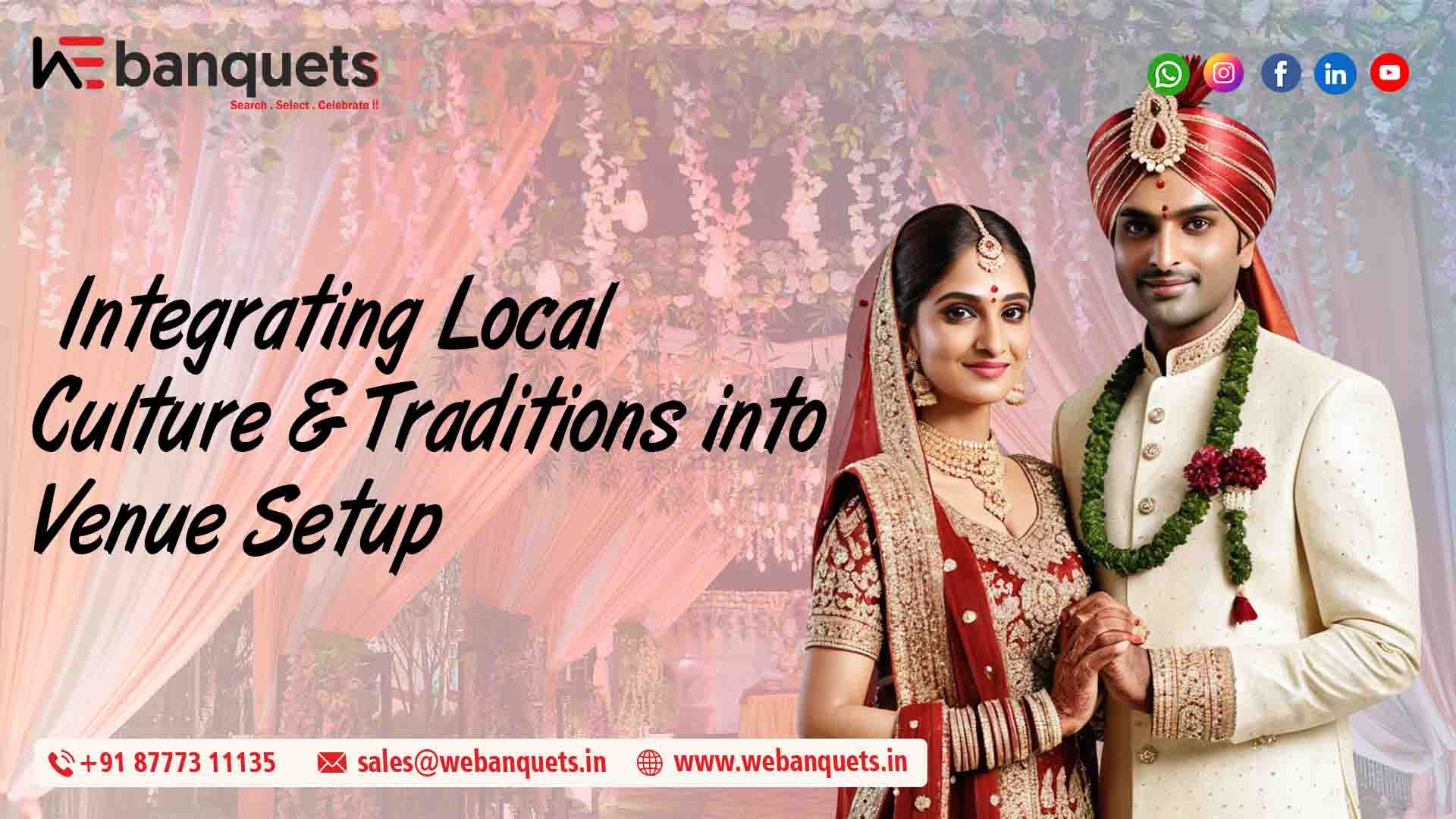
Integrating Local Culture into Venue Setup
Creating a memorable event goes beyond beautiful décor and elegant seating. Integrating local culture and traditions into venue setup adds authenticity, emotional value, and a unique identity to your celebration. Whether it’s a wedding, corporate gathering, or festive event, cultural elements can transform an ordinary venue into a meaningful experience that reflects heritage and community pride.
In 2025, personalized events are trending, and cultural integration is becoming a key focus in venue styling. Here’s how you can thoughtfully incorporate local traditions into your venue setup while keeping the design modern and elegant.
Why Integrating Local Culture Matters
Integrating local culture and traditions into venue setup helps create a deeper emotional connection for guests. Cultural décor, rituals, and regional influences bring familiarity and warmth to the event atmosphere. It also allows hosts to honor family heritage and regional identity while offering guests an immersive experience.
From traditional textiles and regional flowers to customary seating styles and ceremonial spaces, every element can reflect cultural storytelling.
1. Use Traditional Décor Elements
One of the easiest ways of integrating local culture and traditions into venue setup is through décor. Incorporate regional fabrics, handicrafts, lanterns, or heritage patterns into table settings and stage backdrops.
For example:
-
Use traditional drapes and embroidered fabrics for stage décor.
-
Display handcrafted art pieces or locally sourced floral arrangements.
-
Incorporate cultural symbols into entrance arches and welcome boards.
Blending traditional décor with modern lighting ensures the venue feels elegant yet authentic.
2. Design a Cultural Welcome Experience
The entrance of your venue sets the tone for the event. Create a culturally inspired welcome zone that reflects local traditions. This could include:
-
Traditional music performances at the entry
-
Cultural greeting rituals
-
Decorated welcome gates inspired by regional architecture
A culturally themed entrance enhances the overall venue setup and immediately immerses guests in the experience.
3. Include Regional Cuisine and Food Presentation
Food plays a powerful role in cultural integration. Work with caterers to include authentic regional dishes and traditional presentation styles. Live cooking counters featuring local specialties can enhance engagement.
Even the table styling — using traditional utensils, banana leaves, clay pots, or brassware — contributes to integrating local culture and traditions into venue setup effectively.
4. Allocate Space for Rituals and Ceremonies
If your event includes cultural rituals or performances, ensure the venue layout accommodates them comfortably. Measure and plan dedicated areas for ceremonial stages, prayer zones, or dance performances.
This ensures that traditions are highlighted rather than squeezed into the layout. A well-planned cultural stage also improves guest visibility and photography outcomes.
5. Blend Modern Comfort with Cultural Identity
While integrating local culture and traditions into venue setup, balance is essential. Guests should enjoy both heritage aesthetics and modern comfort.
Use:
-
Air-conditioned spaces with traditional décor overlays
-
Modern lighting combined with heritage design patterns
-
Comfortable seating styled with ethnic textiles
This fusion creates a visually stunning yet functional venue environment.
6. Involve Local Artists and Performers
Hiring local performers, artisans, or musicians adds authenticity and supports the community. Cultural dance shows, folk music, or live art demonstrations can make the venue feel vibrant and immersive.
These performances also encourage guest interaction and create memorable moments that stand out.
Final Thoughts
Integrating local culture and traditions into venue setup is more than a design trend — it’s a way to create meaningful, personalized events. By combining traditional décor, regional cuisine, ritual spaces, and cultural performances with modern amenities, you can design a venue that feels authentic and unforgettable.